

Modern supply chains are under pressure from all sides: shorter lead times, higher customer expectations, and stricter compliance. What hasn’t changed in many organizations is the way they sample and approve lots.
AQL-based inspection can be the hidden lever that turns “we hope it’s fine” into “we know it’s under control.”
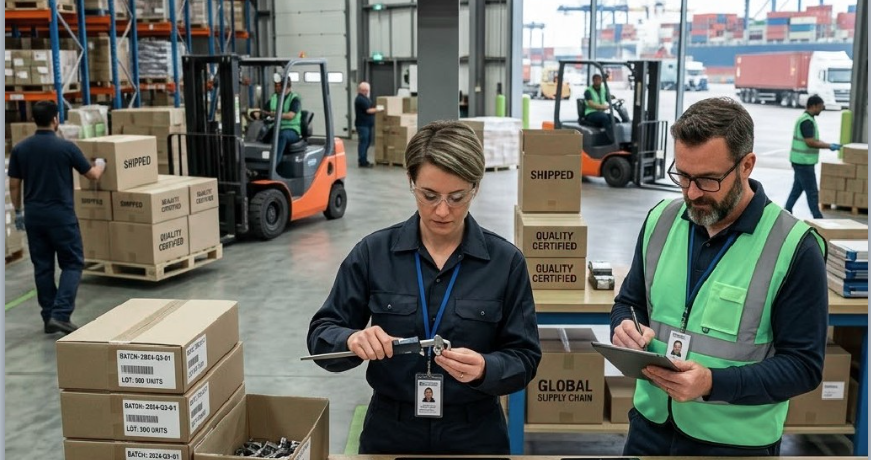
Why sampling is your silent superpower
Inspecting 100% of units is almost never realistic. AQL exists precisely to solve this: it lets you check a statistically meaningful sample and still make a reliable decision about the entire batch.
The AQL Quality Assurance By HavaraTech uses internationally recognized standards (ANSI/ASQ Z1.4 and equivalents) to:
- Determine how many units to inspect for any lot size
- Classify defects as Critical, Major, or Minor with different acceptable limits
- Make pass/fail decisions that are defensible in audits and customer discussions
This is the language global buyers, inspectors, and auditors already understand.
Making AQL usable for everyday teams
The challenge isn’t knowing AQL exists — it’s making it usable for busy inspectors and supervisors. The app simplifies that in three ways:
- It reads the lot quantity and reference (PO, job card, delivery) directly from ERP transactions
- It applies the correct inspection level per supplier or customer, based on configured rules
- It generates the full inspection sheet with the right number of samples and parameters, ready to record readings
Instead of wrestling with tables, teams follow a guided workflow.
Building long-term confidence in suppliers and customers
Over time, AQL-driven data becomes a strategic asset. Because every inspection is tied to actual suppliers, customers, and items, you can:
- Track which suppliers consistently deliver high-quality lots
- Automatically relax inspection levels for “trusted” partners, and tighten them for higher‑risk ones
- Respond to customer quality claims with evidence: sample size, defect counts, and final decision trail
This moves the relationship from opinion-based debates to fact-based collaboration.
From one client to a reusable product
The AQL app was originally conceptualized to replace an older, standalone quality system at Hotset and integrate those capabilities natively into ERPNext. But the design is intentionally generic and configurable, so it can support different industries, standards, and customer expectations without rewriting core ERP code.
For implementation partners and internal IT teams, that means:
- A modular app that can be deployed across multiple clients or plants
- No invasive changes to ERPNext core — everything lives in a clean, maintainable app layer
- A clear upgrade path as standards evolve or new features are added
If you’re planning digital quality initiatives, this is the kind of building block that pays off across multiple projects.
Curious to see how this app can make the shift in your organization? Let’s talk.
